

Free express quote
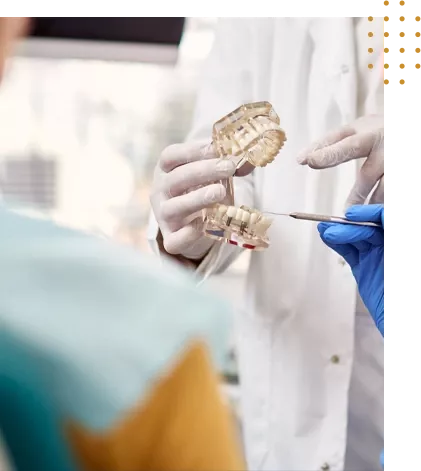

Dental implants have revolutionized the world of restorative dentistry, offering a permanent, natural-looking solution for missing teeth. If you're considering dental implants in Dubai, you're not alone. With its state-of-the-art dental clinics and internationally trained specialists, Dubai has become a major hub for advanced dental procedures. But is it the most affordable choice? This comprehensive guide walks you through everything you need to know.
What Are Dental Implants?
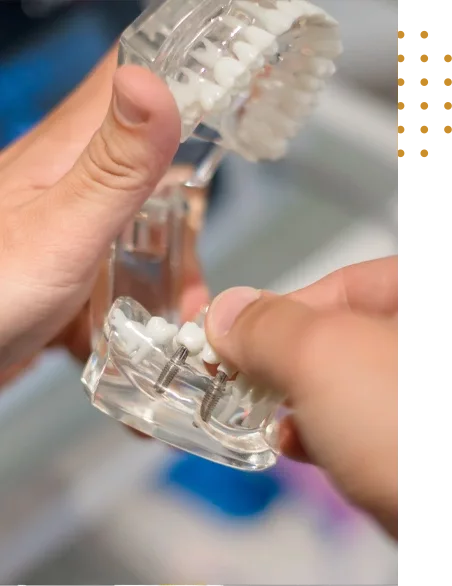
Dental implants are advanced, biocompatible titanium posts that are surgically embedded into the jawbone to serve as artificial tooth roots. Unlike traditional dentures or bridges that rest on the gums or adjacent teeth, dental implants fuse directly with the bone through a process called osseointegration, creating a secure and permanent anchor. This strong foundation supports various types of dental prosthetics—such as crowns, bridges, or dentures—restoring both the function and aesthetics of missing teeth. Thanks to their durability and natural feel, dental implants are widely regarded as the gold standard in tooth replacement.
Types of Dental Implants
Dental implantology offers several specialized types tailored to individual patient needs and anatomical conditions:
- Endosteal Implants:
The most commonly used type, endosteal implants are surgically placed directly into the jawbone. They typically consist of small screws, cylinders, or blades and serve as sturdy anchors for single crowns, multiple-tooth bridges, or implant-supported dentures. Endosteal implants require sufficient bone density and volume for successful placement. - Subperiosteal Implants:
Designed for patients with insufficient bone height or density who may not be candidates for bone grafting, subperiosteal implants are positioned underneath the gum tissue but rest on or above the jawbone. These implants include a metal framework that sits on the bone’s surface, with posts protruding through the gums to support prosthetic teeth. While less commonly used today, they remain an option for select cases. - Zygomatic Implants:
For patients with severe bone loss in the upper jaw where traditional implants are not feasible, zygomatic implants offer an innovative solution. These are longer implants anchored in the cheekbone (zygomatic bone) rather than the upper jaw. This advanced technique eliminates the need for bone grafting and enables immediate function in challenging cases of bone resorption.
Why Dental Implants?
Choosing dental implants offers a range of significant benefits that make them the preferred solution for tooth replacement among both patients and dental professionals worldwide:
- Natural Look & Feel:
Dental implants are designed to closely replicate the appearance, texture, and function of natural teeth. Because they integrate directly with the jawbone, implants provide exceptional stability and allow for normal biting, chewing, and speaking without slipping or discomfort—unlike traditional dentures. The prosthetic crowns attached to implants are custom-made from high-quality materials such as porcelain or zirconia, resulting in a seamless, natural smile that enhances your overall facial aesthetics. - Permanent Solution:
With diligent oral hygiene and regular dental checkups, dental implants can last a lifetime. Unlike bridges and dentures, which may require periodic replacement or adjustment, implants fuse permanently to the bone, providing a long-term investment in your oral health. Their durability reduces the need for future dental work, saving time and money over the years.
- Bone Preservation:
One of the critical advantages of dental implants is their ability to stimulate and preserve the jawbone. When teeth are lost, the underlying bone begins to deteriorate due to lack of stimulation, leading to changes in facial structure and premature aging. Implants mimic natural tooth roots by transmitting chewing forces to the bone, encouraging bone growth and preventing the bone loss often seen with conventional dentures or bridges. - Improved Oral Health:
Unlike traditional dental bridges that require grinding down adjacent healthy teeth to support the restoration, implants do not compromise neighboring teeth. This preserves the natural tooth structure and promotes better long-term oral health. Additionally, implants facilitate easier access for cleaning between teeth, reducing the risk of cavities and gum disease compared to other restorative options.
The Dental Implant Procedure: Step-by-Step
Modern dental implants in Dubai follow a scientifically structured and patient-tailored approach. The process typically unfolds over several months, ensuring long-lasting, natural-looking results.
- Initial Consultation and Diagnostic Imaging
The journey begins with a comprehensive evaluation of your oral health and facial structure:
- Clinical Oral Examination: Your dentist assesses the condition of your teeth, gums, bite, and overall oral hygiene.
- Digital Imaging: High-resolution panoramic X-rays and 3D cone-beam CT scans help evaluate jawbone volume, sinus proximity, and nerve positioning.
- Gum and Bone Health Assessment: Ensures the surrounding tissues can support an implant or identifies the need for preparatory treatments.
This diagnostic phase lays the groundwork for a safe and precise surgical plan.
- Personalized Treatment Planning
A customized treatment plan is developed based on your individual needs:
- Number of Implants: Whether replacing one tooth or an entire arch.
- Prosthetic Type: Single crown, implant-supported bridge, or full fixed denture.
- Implant System Selection: Premium brands (e.g., Straumann®, Nobel Biocare®, Zimmer®) may be recommended based on case complexity.
- Grafting or Sinus Lift Planning (if needed): If insufficient bone is found in the upper jaw, a sinus lift may be included.
Digital planning software ensures millimeter-precise placement and aesthetic alignment.
- Tooth Extraction (if necessary)
If you have damaged, decayed, or loose teeth in the implant area:
- Minimally Invasive Extraction: Teeth are removed carefully to preserve surrounding bone.
- Immediate Implant Option: In some cases, the implant may be placed on the same day, reducing treatment time.
Extractions are typically performed under local anesthesia with minimal discomfort.
- Bone Grafting (if required)
If your jawbone lacks sufficient volume or density:
- Autografts or Allografts: Bone may be harvested from your own body or sourced from biocompatible materials.
- Socket Preservation: Bone is placed into the extraction site to prevent bone loss.
- Healing Time: Bone integration typically takes 3–6 months before implant placement.
This step ensures a strong foundation for long-term implant success.
- Dental Implant Placement
The core surgical procedure involves inserting the titanium implant post into the jawbone:
- Performed Under Anesthesia: Local anesthesia is standard; sedation or general anesthesia is available for complex or multiple implants.
- Precise Surgical Technique: A small incision is made in the gum, and a pilot hole is drilled into the bone to anchor the implant.
- Titanium Integration: The biocompatible post fuses with the bone during a phase known as osseointegration, which typically takes 3 to 6 months.
Pain is minimal and manageable with standard analgesics. Sutures may be placed and removed in 7–10 days.
- Abutment Placement
Once the implant has bonded with the jawbone:
- Minor Second Procedure: A small incision is made to expose the implant and attach a titanium abutment (the connector).
- Gum Shaping: The surrounding gum is allowed to heal and adapt to the abutment over 1–2 weeks, creating a natural-looking gum contour.
This component supports the final prosthetic.
- Prosthetic Restoration
The final step involves fabricating and attaching your custom-made tooth replacement:
- Crown, Bridge, or Denture: Created in a dental lab from high-grade porcelain or zirconia for maximum durability and a lifelike finish.
- Precision Fit and Bite Check: Your dentist ensures proper alignment and function.
- Aesthetic Adjustments: Color, shape, and texture are matched to adjacent teeth for seamless integration.
You leave the clinic with a fully functional, natural-looking smile designed to last for decades.
Type of Anesthesia Used
Most dental implants in Dubai are comfortably performed under local anesthesia, which effectively numbs the treatment area while allowing the patient to remain fully awake and responsive.
However, many dental clinics in Dubai recognize that not all patients have the same level of comfort with dental procedures. For those with dental phobia, low pain thresholds, or who are undergoing multiple implant placements or full-mouth restorations, a variety of advanced sedation methods are available:
- Conscious Sedation: Administered orally or via inhalation (e.g., nitrous oxide), this allows the patient to remain relaxed and calm, with minimal awareness of the procedure.
- IV Sedation: Provided intravenously by a licensed anesthesiologist, IV sedation induces a deeper state of relaxation and can result in partial or complete amnesia of the treatment.
- General Anesthesia: Typically reserved for complex surgical cases, such as full-mouth implant restorations, and performed in hospital settings. The patient is fully unconscious and continuously monitored by a medical team.
Dubai’s leading dental clinics are equipped with cutting-edge sedation technologies and adhere strictly to international anesthesia safety protocols. Whether you prefer to stay fully awake or want to minimize awareness, your experience is designed to be completely pain-free, anxiety-free, and comfortable from start to finish.
Recovery Timeline After Dental Implant Surgery
Recovery time varies depending on the complexity of the case and the number of implants placed.
|
Timeline |
What to Expect |
|
1–3 Days |
Swelling, minor bleeding, discomfort |
|
1 Week |
Stitches (if non-dissolvable) removed |
|
1–2 Weeks |
Resumption of normal eating with caution |
|
3–6 Months |
Osseointegration period (implant fuses with bone) |
|
After 6 Months |
Final crown or prosthetic attached |
Patients are advised to avoid smoking, alcohol, and hard foods during the healing phase to promote optimal integration.
Scarring and Side Effects
Minimal Scarring
Dental implant surgery is designed to be as minimally invasive as possible. The procedure typically involves making small incisions in the gum tissue, which leads to minimal to no visible scarring. Advances in dental surgical techniques, such as flapless implant surgery, allow dentists to insert implants through tiny openings without lifting the gum flap, significantly reducing tissue trauma and speeding up healing. These modern approaches not only preserve the natural appearance of your gums but also promote faster recovery and less discomfort.
Common Side Effects
While dental implant surgery is generally safe and well-tolerated, patients may experience some mild, temporary side effects, including:
- Mild Swelling and Bruising: Localized swelling around the implant site is common and usually peaks within 48–72 hours post-surgery before gradually subsiding. Bruising can also occur but typically fades within a week.
- Temporary Numbness or Tingling: Minor numbness or a tingling sensation in the lip, chin, or tongue may happen due to local anesthesia or slight nerve irritation during surgery. This usually resolves within a few days but should be monitored closely.
- Minor Bleeding: Slight bleeding or oozing from the surgical site is normal in the first 24 hours following the procedure and can be controlled with proper aftercare techniques.
Managing Side Effects and Recovery
Most side effects are short-lived and resolve within a few days to two weeks with appropriate post-operative care. Your dental team will provide clear instructions to minimize discomfort, including:
- Using prescribed pain relievers or anti-inflammatory medications
- Applying cold compresses to reduce swelling
- Maintaining gentle oral hygiene without disturbing the surgical site
- Avoiding strenuous physical activities and smoking during recovery
In rare cases, if symptoms persist or worsen, such as severe pain, prolonged numbness, or signs of infection (fever, pus, increased swelling), prompt consultation with your dental professional is essential to prevent complications.
Longevity of Results
Dental implants are widely regarded as the gold standard in tooth replacement due to their exceptional durability and long-term functionality.
With outstanding patient compliance—including excellent oral hygiene habits, professional maintenance visits, and a healthy lifestyle—implants can last 20 years or more, and in many cases, they remain stable for a lifetime without the need for replacement.
Key Factors That Influence Implant Longevity:
- Strong Bone Integration: The quality of osseointegration, where the implant fuses to the jawbone, is the cornerstone of lasting success.
- Healthy Periodontal Tissue: Maintaining gum health prevents peri-implantitis, a leading cause of implant failure.
- Accurate Surgical Technique: Proper angulation, depth, and placement by a skilled oral surgeon significantly reduce long-term complications.
- Prosthetic Materials and Fit: Crowns made of high-strength ceramics like zirconia and a well-balanced bite prevent wear and overload.
- Lifestyle and Maintenance: Non-smokers, those who avoid bruxism (tooth grinding), and patients who follow a regular oral hygiene routine tend to see better outcomes.
With a success rate of over 95%, dental implants stand out as one of the most reliable and long-lasting restorative procedures in all of modern dentistry. When placed correctly and cared for properly, they function and feel like natural teeth for decades.
Ideal Candidate for Dental Implants
Dental implants are a reliable and advanced solution—but they are not suitable for everyone. Candidacy depends on a range of oral and general health factors. You may be an ideal candidate if you:
- Have one or more missing teeth and wish to restore full function and aesthetics
- Have sufficient jawbone density to support the implant (or are willing to undergo a bone graft or sinus lift if needed)
- Exhibit healthy gums and are free from untreated periodontal disease
- Practice excellent oral hygiene, including regular brushing, flossing, and professional cleanings
- Do not smoke heavily, as smoking impairs healing and increases the risk of implant failure
- Are in good general health, without uncontrolled systemic conditions like diabetes, bleeding disorders, or cardiovascular issues
- Are committed to the treatment timeline, which may span several months from implant placement to final prosthesis
Special Considerations
- Patients with bruxism (teeth grinding) may need to wear night guards to protect the implants.
- Teenagers and young adults may need to wait until facial growth is complete before implant placement.
- Pregnant women are generally advised to postpone implant surgery until after delivery.
A comprehensive dental and medical evaluation—including X-rays and 3D scans—is essential to determine your eligibility. Your dentist or oral surgeon will assess both the structural and biological conditions needed for long-term success.
The Growing Popularity of Dental Surgery in the UAE
In cities like Dubai, Abu Dhabi, Sharjah, Ajman, and Ras Al Khaimah, cosmetic and restorative dentistry is on the rise. Medical tourism has surged as more patients seek cutting-edge procedures in luxurious settings.
Why Dubai is a Dental Destination
- Highly skilled, internationally trained dentists
- Multilingual staff and world-class facilities
- Availability of advanced digital dentistry (CAD/CAM, 3D printing)
- Fast-track treatment timelines
The Cost of Dental Implants in Dubai
Despite the quality of care, the high cost of dental implants in Dubai is a significant drawback.
The price can vary depending on:
- Surgeon’s experience
- Type of implant system used
- Location of the clinic (premium areas = higher costs)
- Need for additional procedures (bone grafts, sinus lifts)
Seeking Affordable Alternatives Abroad
With the rising costs of dental implants in Dubai, many patients now look beyond the UAE for equally safe, effective, and more budget-friendly solutions.
Why Patients Are Going Abroad
- Up to 70% cost savings
- No compromise on quality or safety
- All-inclusive packages (surgery, accommodation, transport)
- Personalized care in medical tourism destinations
Medespoir International: The Smart Alternative
Medespoir International connects patients from the UAE and worldwide with reputable, accredited clinics abroad for safe and cost-effective dental implant procedures.
Top Medespoir Destinations:
- Turkey: World-renowned dental hubs in Istanbul, Antalya, and Izmir with top-tier technology and European standards.
- Tunisia: Affordable prices, French-speaking staff, and high-quality care just a short flight from the UAE.
- Egypt: Expert surgeons, historic charm, and accessible prices.
- Bulgaria: EU regulations, modern dental facilities, and low-cost packages.
- Miami (USA): Premium care for patients seeking high-end American dentistry.
Why Choose Medespoir?
- Accredited clinics and qualified professionals
- Transparent pricing with no hidden fees
- Multilingual coordinators to guide you
- Assistance with travel, visas, and accommodations
- Thousands of satisfied patients from Dubai and the Gulf region
Take the First Step Toward a Healthier Smile
Don't let the cost of dental implants in Dubai hold you back from achieving the confident smile you deserve. Whether you're missing a single tooth or need a full-mouth restoration, Medespoir International can help you access world-class care at a fraction of the cost.
Contact Medespoir International today to explore your options in Turkey, Tunisia, Egypt, Bulgaria, Miami, and more. Get a free quote, personalized advice, and start your journey to a beautiful, healthy smile abroad.