

Free express quote
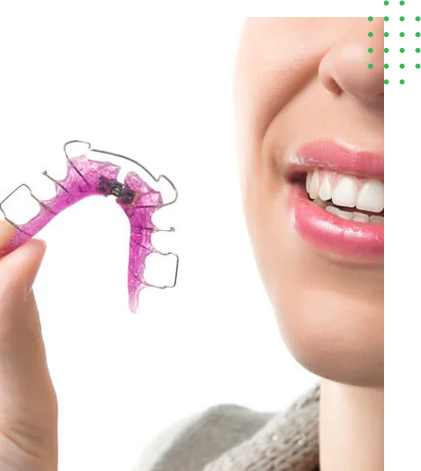

Dental appliances are essential tools in modern dentistry, offering solutions for everything from tooth alignment and bite correction to jaw positioning and nighttime teeth grinding. In Dubai, a city known for its medical innovation and luxury healthcare, dental appliances are increasingly popular among patients seeking advanced, aesthetic, and functional oral solutions.
But with the high costs of dental appliances in Dubai, especially in private clinics, many patients are exploring more affordable, world-class alternatives abroad. This comprehensive guide explains everything you need to know about dental appliances, their procedures, anesthesia, recovery, long-term results, and why Medespoir International offers a smarter solution for cost-conscious patients.
What Are Dental Appliances?
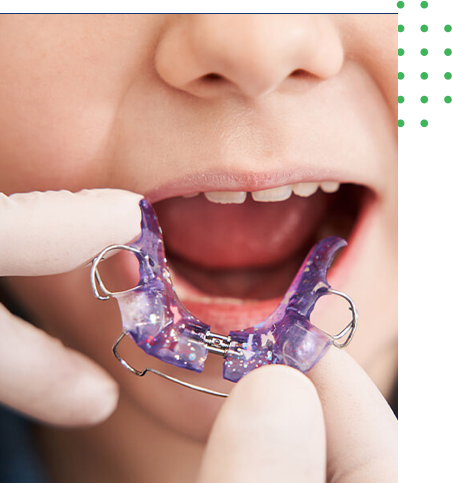
Dental appliances are custom-made devices used to treat a variety of dental and orthodontic conditions. These include removable or fixed tools that help align teeth, correct bite issues, prevent teeth grinding, support the jaw, or aid post-surgical recovery.
Common Types of Dental Appliances
- Orthodontic braces (fixed appliances)
- Clear aligners (e.g., Invisalign)
- Retainers (removable)
- Palatal expanders
- Night guards and bite splints
- Functional appliances (for jaw positioning)
- Space maintainers (for children)
- Sleep apnea appliances (mandibular advancement devices)
Why Dental Appliances Are Popular in Dubai
Dubai’s reputation for high-end medical care and cutting-edge dental clinics makes it a go-to destination for both local and international patients. Dental appliances in Dubai are often recommended to address:
- Misaligned teeth
- Overbites, underbites, or crossbites
- TMJ disorders (jaw pain or clicking)
- Sleep apnea or snoring
- Post-surgical stabilization or healing
The city's clinics in Dubai Marina, Downtown Dubai, Jumeirah, and Al Barsha feature state-of-the-art equipment and internationally trained dental professionals. Similar advancements are found in Abu Dhabi, Sharjah, Ajman, and Ras Al Khaimah, making the UAE a hub for high-end dental care.
Techniques Used for Dental Appliances
- 3D Digital Scanning and Imaging
Before creating any dental appliance, clinics in Dubai utilize intraoral scanners and CBCT (Cone Beam CT) imaging to design precise treatment plans. This ensures an exact fit and optimal performance of each appliance.
- CAD/CAM Manufacturing
Many appliances are now fabricated using Computer-Aided Design and Manufacturing (CAD/CAM) for maximum comfort and effectiveness.
- Custom Molding and Fitting
High-quality silicone, thermoplastic, or medical-grade acrylic is used depending on the type of appliance. Devices are custom-fitted to the patient’s unique dental anatomy.
Type of Anesthesia Used
Most dental appliances procedures in Dubai are non-surgical and minimally invasive, requiring no general anesthesia.
- Local anesthesia may be used during impressions or fittings (especially for sensitive patients).
- Sedation options (oral sedatives or nitrous oxide) are available for anxious individuals or children.
- No hospitalization is required, and patients return home immediately after fittings or adjustments.
The Dental Appliance Procedure: Step-by-Step
Opting for dental appliances in Dubai involves a streamlined, highly personalized treatment journey designed to ensure maximum comfort, functionality, and aesthetic results. Here’s a detailed overview of what to expect at each stage of the process:
Step 1: Comprehensive Consultation and Diagnosis
Your journey begins with an in-depth consultation at a specialized dental or orthodontic clinic. During this session:
- A clinical oral examination is conducted to evaluate teeth alignment, bite function, jaw positioning, and any underlying dental concerns.
- Digital impressions are taken using intraoral scanners, replacing traditional, messy molds for greater accuracy and comfort.
- High-resolution 3D imaging, such as panoramic X-rays or CBCT (Cone Beam Computed Tomography), is used to assess bone structure, tooth roots, and temporomandibular joints.
- Your medical and dental history is reviewed to identify any contraindications or previous orthodontic treatments.
This diagnostic phase is critical in determining the type of appliance needed, whether it's for alignment, bite correction, bruxism management, or sleep apnea treatment.
Step 2: Custom Appliance Design
Following diagnosis, the next step is to design your custom dental appliance using advanced digital tools:
- Dentists utilize AI-assisted software and CAD/CAM (Computer-Aided Design and Manufacturing) systems to create a digital blueprint of your ideal appliance.
- The design takes into account tooth anatomy, bite force distribution, and facial aesthetics, ensuring both therapeutic and cosmetic success.
- Depending on the appliance type, additional specifications such as wire tension (in braces), acrylic density (in bite guards), or aligner sequencing (in clear aligners) are factored into the design.
This step guarantees that your appliance will fit precisely and function as intended.
Step 3: Precision Fabrication of the Appliance
Once the design is approved, the manufacturing process begins:
- The appliance is fabricated either on-site in the clinic's dental lab or sent to a specialized external facility.
- Materials used may include thermoplastic polymers, biocompatible acrylic, nickel-titanium wires, or ceramic components, depending on the appliance type.
- Modern clinics in Dubai often use 3D printing technology to accelerate production and enhance accuracy.
- Fabrication usually takes a few days to one week, although complex appliances may require more time.
Throughout this phase, stringent quality control measures are applied to ensure safety, durability, and biocompatibility.
Step 4: Clinical Fitting and Personalized Adjustment
When your appliance is ready, you’ll return to the clinic for fitting:
- The dentist or orthodontist carefully places the appliance and checks for proper alignment, pressure points, and patient comfort.
- Real-time adjustments may be made to improve fit, avoid soft tissue irritation, and optimize effectiveness.
- For removable appliances (like night guards, retainers, or clear aligners), you'll receive guidance on insertion, removal, and cleaning techniques.
- For fixed appliances (like braces or palatal expanders), the team will explain proper hygiene protocols and give you tools to maintain oral health.
This fitting session ensures that the device performs its intended function from day one.
Step 5: Follow-Up Visits and Ongoing Monitoring
Dental appliances require consistent follow-up to ensure successful outcomes:
- Patients typically return every 4 to 8 weeks for assessments, appliance adjustments, or replacement parts if necessary.
- For clear aligner treatments, new sets are issued periodically to guide progressive tooth movement.
- Braces may require wire changes, bracket repositioning, or rubber band updates.
- In the case of night guards or mandibular advancement devices, the bite is re-evaluated regularly to maintain balance and comfort.
- The dentist monitors for any signs of oral tissue irritation, tooth wear, or shifting and adapts the treatment plan as needed.
These check-ups are crucial for ensuring long-term effectiveness, minimizing complications, and achieving the desired results.
Recovery Timeline
Since dental appliances are non-invasive, there is no recovery period in the surgical sense. However, some adjustment discomfort is normal:
|
Period |
Sensation / Outcome |
|
First 2–3 days |
Mild soreness, pressure, or speech difficulty |
|
First week |
Improved adaptation to the appliance |
|
Ongoing usage |
Regular monitoring; minor refinements as needed |
Patients are advised to follow all hygiene and usage instructions to avoid irritation, ulcers, or complications.
Scarring and Side Effects
✅ No Scarring: A Non-Invasive, Tissue-Friendly Treatment
One of the greatest advantages of opting for dental appliances in Dubai is the non-invasive nature of the procedures involved. Unlike surgical dental interventions such as implants or gum grafts, most dental appliances—whether fixed or removable—require no incisions, sutures, or soft tissue manipulation. As a result:
- There is zero risk of visible scarring on the gums, lips, or facial skin.
- All procedures are performed intraorally using impression techniques, digital scanning, and pressure-fitting, which do not damage tissue.
- Even for more advanced devices like palatal expanders or mandibular repositioning appliances, the fitting process is designed to be minimally traumatic.
This makes dental appliances a highly appealing solution for patients concerned with aesthetics, safety, and post-procedure appearance.
⚠️ Possible Side Effects: What to Expect and How to Manage Them
Although generally safe and well-tolerated, dental appliances—like any dental intervention—can occasionally lead to minor and temporary side effects, especially during the initial adjustment period. These effects are usually mild and resolve with time and proper care.
Common Temporary Side Effects May Include:
- Gum Irritation or Soreness
Mild redness or tenderness may occur where the appliance contacts the gingiva, especially during the first few days of use. - Excess Saliva Production
As your mouth adjusts to a new object, the salivary glands may temporarily overproduce saliva—a natural reflex that typically subsides within a week. - Speech Difficulties or Lisping
Some patients, particularly those wearing upper appliances (e.g., retainers or bite plates), may notice a slight change in speech clarity. This generally resolves within a few days of adaptation. - Jaw or Facial Muscle Tension
Devices that reposition the jaw (like night guards or functional appliances) may cause minor muscular discomfort, especially in the masseter or temporalis muscles. This often eases with nightly use and mild jaw exercises. - Mild Headaches
Occasionally, patients adjusting to bite-correcting devices may report headaches due to changes in occlusion or TMJ pressure. These are usually self-limiting and respond well to over-the-counter pain relief if needed.
🦷 How to Minimize Side Effects
To ensure a smooth adjustment period and avoid complications, patients are advised to:
- Follow all hygiene instructions carefully (e.g., brushing, rinsing, cleaning the appliance).
- Avoid hard or sticky foods during the first few days to minimize discomfort.
- Use orthodontic wax to cushion areas causing friction or irritation.
- Take breaks, when appropriate, especially for night guards and functional appliances.
- Attend all scheduled follow-up visits, where your dentist can make necessary adjustments and monitor your oral tissues.
🩺 When to Seek Professional Help
While most side effects are temporary, you should contact your dental provider if you experience:
- Persistent or worsening pain
- Bleeding gums or ulcerations
- Difficulty breathing or swallowing
- Appliance breakage or poor fit
Clinics offering dental appliances in Dubai are well-equipped to manage these rare scenarios promptly and professionally.
Longevity and Effectiveness of Results
The lifespan of a dental appliance varies by type, usage frequency, and patient compliance.
|
Appliance Type |
Average Lifespan |
|
Clear Aligners |
Replaced every 1–2 weeks |
|
Braces (metal or ceramic) |
18–36 months (treatment duration) |
|
Retainers |
5–10 years with care |
|
Night guards and splints |
2–5 years |
|
Sleep apnea appliances |
3–5 years |
Consistent oral hygiene, regular dental visits, and compliance with instructions can significantly extend the life of your device.
Who Is an Ideal Candidate for Dental Appliances?
Dental appliances offer versatile and effective solutions for a wide range of dental and maxillofacial issues. Thanks to advancements in digital dentistry and customization techniques, they can be tailored to meet the needs of children, teens, adults, and seniors alike.
Whether for functional correction, preventive care, or post-treatment support, dental appliances in Dubai are widely recommended by orthodontists and dental specialists. However, identifying the right candidates involves evaluating specific clinical and lifestyle factors.
✅ Key Indications for Dental Appliance Use
You may be an ideal candidate if you meet one or more of the following criteria:
🦷 1. Misaligned Teeth or Orthodontic Issues
- Crowding, spacing, or overlapping teeth
- Crooked or rotated teeth
- Overbites, underbites, crossbites, or open bites
Appliances such as braces, clear aligners, retainers, and palatal expanders are often prescribed to gradually move teeth into optimal alignment.
🗣️ 2. Jaw Positioning Concerns
- Improper jaw growth or asymmetry
- Skeletal discrepancies in growing children or teens
- Mild to moderate skeletal malocclusions in adults
Functional appliances can correct jaw development in younger patients, while orthopedic or orthopedic-retention appliances may stabilize jaw alignment in adults.
😬 3. Bruxism (Teeth Grinding or Clenching)
- Worn enamel or flat biting surfaces
- Jaw pain, morning headaches, or facial soreness
- Nocturnal clenching habits
A custom night guard or bite splint can protect the teeth and reduce pressure on the jaw joint (TMJ), preserving long-term oral health.
👶 4. Pediatric Dental Needs
- Early loss of baby teeth or premature eruption of permanent teeth
- Risk of misalignment due to thumb sucking or tongue thrusting
- Congenital oral developmental issues
Children can benefit from space maintainers, habit-breaking appliances, or orthodontic trainers, which guide proper tooth and jaw development.
😴 5. Obstructive Sleep Apnea or Snoring in Adults
- Diagnosed mild to moderate obstructive sleep apnea (OSA)
- Snoring due to jaw or soft palate positioning
- Poor tolerance to CPAP therapy
Mandibular advancement devices (MADs) reposition the lower jaw during sleep, keeping airways open and reducing or eliminating apnea episodes.
🤕 6. TMJ Dysfunction and Facial Pain
- Clicking, popping, or locking of the jaw
- Chronic tension headaches or earaches
- Limited jaw opening or pain when chewing
TMJ stabilization appliances or occlusal splints help redistribute bite forces and relieve pressure on the temporomandibular joint.
🛡️ 7. Post-Treatment or Post-Surgical Support
- After orthodontic treatment (to retain results)
- After dental implant placement or jaw surgery
- To protect against relapse or trauma
Appliances such as retainers, occlusal guards, or healing splints are vital for stabilizing dental structures and supporting the healing process.
📋 Clinical Evaluation Is Essential
Even though dental appliances are adaptable to many conditions, a comprehensive dental examination is always required to determine:
- The underlying cause of the issue
- Suitability for removable vs. fixed devices
- Presence of complicating factors (e.g., gum disease, skeletal asymmetries)
- Growth stage (especially in pediatric or adolescent cases)
Advanced digital imaging (CBCT, panoramic X-rays) and intraoral scanning are used to create a precise diagnosis and guide treatment planning.
🚫 Who May Not Be Ideal Candidates?
While most individuals can benefit from dental appliances, exceptions include:
- Patients with untreated periodontal disease or severe bone loss
- Individuals with poor oral hygiene or noncompliance issues
- People with severe skeletal deformities that require orthognathic surgery
- Those with allergy to appliance materials (rare, but possible)
Your dental provider in Dubai or abroad will determine the best course of action based on your health profile, lifestyle, and treatment objectives.
High Costs of Dental Appliances in Dubai: A Growing Concern
Despite the clinical excellence available in the UAE, the cost of dental appliances in Dubai remains prohibitively high for many patients.
The figures often do not include consultation fees, follow-ups, or adjustments, making treatment inaccessible for budget-conscious patients—even those with insurance.
This trend extends to Abu Dhabi, Sharjah, and other emirates, where private dental clinics continue to charge premium rates for basic procedures and appliances.
Why More Patients Are Choosing Dental Appliances Abroad
As the cost of dental care in Dubai and the UAE rises, patients are seeking safer, affordable alternatives abroad—without compromising on quality. Many are now traveling to countries where dental expertise is equal to or better than what they find at home, at a fraction of the cost.
Medespoir International: The Smart Alternative to Dental Appliances in Dubai
At Medespoir International, we specialize in providing world-class dental appliance treatments abroad—allowing patients to receive the care they need without the financial burden of Dubai's high costs.
🌍 Trusted Destinations with Global Standards
- Turkey: Home to JCI-accredited dental centers and elite orthodontists. Popular cities include Istanbul, Izmir, and Antalya.
- Tunisia: Affordable pricing paired with advanced digital dentistry and English-speaking staff.
- Egypt: Reputed for long-standing dental expertise and modern clinics in Cairo and Alexandria.
- Bulgaria: A rising medical tourism destination offering EU-certified dental services.
- Miami, USA: For those seeking luxury dental care at competitive prices, especially for high-end cosmetic appliances.
💡 Why Choose Medespoir?
- Personalized care and follow-up
- Free initial consultation and quote
- Certified partner clinics with modern technology
- Multilingual support and travel assistance
- Up to 70% savings compared to UAE prices
- Packages that include accommodation, transfers, and post-care
Conclusion: Affordable, Safe, and High-Quality Dental Appliances with Medespoir
If you’re considering dental appliances in Dubai but are concerned about the high costs, it’s time to explore a better option. With Medespoir International, you gain access to expert dental care, modern technology, and affordable pricing—all in a safe, professional environment abroad.
Stop overpaying for dental appliances in the UAE. Let Medespoir connect you with the world’s best clinics in Turkey, Tunisia, Egypt, Bulgaria, Miami, and more.
🟢 Ready to Transform Your Smile Affordably?
📞 Contact Medespoir International today for your free dental appliance
consultation and quote.
💬 Speak with a specialist now and take the first step toward safer,
smarter dental care—without the Dubai price tag.