


Free express quote


Across cities like Dubai, Abu Dhabi, Sharjah, and Ajman, more and more people are turning to bariatric surgery as a solution for obesity and its associated health risks. One of the most effective and least invasive options available is the gastric band—a procedure designed to help individuals lose weight gradually and safely.
While Dubai is renowned for its state-of-the-art clinics and internationally trained surgeons, the cost of gastric band in Dubai remains a major obstacle for many. It’s no surprise that an increasing number of patients are now looking abroad to undergo the same procedure—at a fraction of the price and without compromising on safety or outcomes.
What Is a Gastric Band?
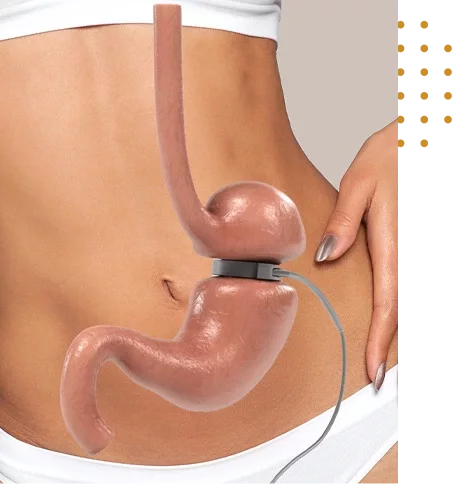
The gastric band, or laparoscopic adjustable gastric band (LAGB), is a weight-loss device placed around the upper part of the stomach. It creates a small pouch that fills quickly, helping patients feel full with smaller portions of food.
Unlike more aggressive bariatric surgeries, the gastric band does not involve cutting, stapling, or removing any part of the stomach or intestines. It’s a minimally invasive, adjustable, and reversible solution that encourages sustainable weight loss over time.
Who Is a Good Candidate for Gastric Band Surgery?
The gastric band is not a one-size-fits-all solution. It is a medically indicated procedure aimed at helping individuals whose weight has reached a level that significantly impacts their health and quality of life. In Dubai and across the UAE, eligibility for this procedure is assessed carefully to ensure both safety and success.
Typically, candidates meet the following criteria:
-
A Body Mass Index (BMI) of 35 or higher, which generally indicates severe obesity.
-
A BMI between 30 and 35, combined with obesity-related medical conditions, such as type 2 diabetes, high blood pressure, obstructive sleep apnea, joint pain, or non-alcoholic fatty liver disease.
-
Adults aged 18 to 65. However, exceptions can be made in younger or older individuals if the clinical indication is strong and the patient is well supported.
-
Patients who have tried multiple weight-loss strategies—including supervised diets, medications, and exercise—without sustainable results.
-
Individuals who are psychologically ready and understand that the band is a tool—not a miracle solution—and that lasting weight loss requires consistent effort, dietary discipline, and lifestyle changes.
In addition to medical eligibility, mental health and emotional readiness are key. Candidates should be free from untreated eating disorders, severe depression, or addiction issues. A multidisciplinary team, including a surgeon, nutritionist, psychologist, and sometimes an endocrinologist, will typically assess a patient before approving surgery.
It’s also important to consider a patient’s support system—family, friends, or caregivers—since postoperative lifestyle adjustments require encouragement, accountability, and sometimes logistical support (like help during recovery or travel arrangements if surgery is performed abroad).
How Is the Gastric Band Procedure Performed?
Surgical Technique: Minimally Invasive and Highly Controlled
The gastric band procedure is performed via laparoscopic surgery, a modern technique that uses small incisions (typically 4–5 keyhole incisions) rather than one large cut. This approach reduces trauma to the body, lowers the risk of complications, and shortens the recovery time.
During the operation, the surgeon inserts a tiny camera and surgical instruments through these small incisions. The silicone band is carefully positioned around the upper part of the stomach, effectively dividing it into a small upper pouch and a larger lower section. This small pouch fills quickly when you eat, triggering the sensation of fullness much earlier than before.
Once the band is in place, it’s connected to a subcutaneous access port, usually placed discreetly under the skin near the navel or side of the abdomen. Through this port, the surgeon can inject or remove saline solution to adjust the tightness of the band postoperatively.
What sets the gastric band apart is its adaptability. Adjustments are done in the clinic and take just a few minutes, allowing the rate of weight loss to be customized over time based on progress, hunger levels, and patient feedback.
Type of Anesthesia: Comfort and Safety
-
The entire procedure is performed under general anesthesia, ensuring the patient remains asleep and completely unaware during surgery.
-
An anesthesiologist monitors vital signs continuously and administers pain management.
-
Thanks to the laparoscopic approach and minimal invasiveness, postoperative pain is usually mild, and patients are up and walking within hours.
Most individuals leave the hospital within 24 hours after surgery and begin their recovery at home. Prescription pain relievers and anti-nausea medications are usually sufficient to manage discomfort during the initial days.
Associated Procedures: Comprehensive Care for Better Outcomes
Depending on the patient’s condition, the gastric band may be performed alongside or in coordination with other medical interventions to enhance results or address coexisting health issues. These might include:
-
Hiatal or abdominal hernia repair: If a hernia is present, it can be repaired during the same surgical session.
-
Cholecystectomy (gallbladder removal): Sometimes, gallstones or gallbladder disease may necessitate removal at the same time.
-
Nutritional therapy and preoperative weight loss programs: Patients may be asked to lose a small amount of weight before surgery to reduce liver size and surgical risk.
-
Endoscopic evaluations or hormonal assessments, particularly for patients with metabolic disorders or endocrine issues contributing to weight gain.
Each surgical plan is tailored to the individual, ensuring the procedure addresses not just the symptom (excess weight), but also the underlying contributors to obesity.
What to Expect During Recovery
Recovery following a gastric band procedure is typically fast and manageable compared to other forms of bariatric surgery. Most patients are pleasantly surprised by how little discomfort they feel and how quickly they can return to their daily routine.
After surgery, the patient is monitored for a few hours in a recovery room. Most people are discharged within 24 hours, as the minimally invasive nature of the procedure allows for a swift return home. During the first few days, it's normal to feel some fatigue or mild abdominal discomfort, but this usually resolves quickly with light pain medication.
Within the first week to 10 days, many patients are back to walking comfortably, handling basic activities, and even returning to desk work, depending on the nature of their job. Physical exertion should be avoided during the initial phase, but light walking is actually encouraged early on to stimulate circulation and prevent complications such as blood clots.
One of the most important aspects of the recovery period is diet progression. In order to allow the stomach to heal and to adjust gradually to the new restrictive mechanism of the band, the diet follows distinct stages:
-
Stage 1 – Clear Liquids (Days 1–3): Water, broth, herbal teas, and electrolyte drinks.
-
Stage 2 – Full Liquids (Days 4–10): Protein shakes, blended soups, skimmed milk, and smoothies.
-
Stage 3 – Pureed Foods (Week 2–3): Blended vegetables, mashed fruits, and soft proteins like yogurt.
-
Stage 4 – Soft Solids (Week 4–5): Well-cooked rice, eggs, lean minced meat.
-
Stage 5 – Regular Healthy Foods (Week 6 onward): Gradual return to normal textures, focusing on small portions and chewing thoroughly.
During this period, patients also receive nutritional counseling to understand which foods offer optimal nourishment and satiety, while avoiding those that may trigger discomfort or blockages.
Importantly, band adjustments begin around the 4th to 6th week post-surgery. These are painless outpatient procedures during which the surgeon fine-tunes the band’s tightness to optimize weight loss and comfort. Depending on how the body responds, several adjustments may be needed over the first year.
Most patients begin to notice weight loss within the first two to three weeks, which can be highly motivating and encouraging. As the body adapts to reduced food intake and healthier habits, the weight continues to come off steadily—without the sudden drops or rebound effects often associated with crash diets.
Longevity and Results
The gastric band is often described as a long-term weight-loss tool, and rightly so. With the right support and consistency, it can help patients lose a significant amount of excess weight and keep it off for years.
On average, patients lose between 40% and 60% of their excess body weight within the first 12 to 24 months. This rate is considered both safe and sustainable, allowing the body to adjust gradually and reducing the risk of loose skin and nutrient deficiencies.
However, long-term success isn’t automatic. It requires a true partnership between the patient and their medical team, including:
-
Regular follow-up visits for band adjustments and progress tracking
-
Ongoing nutritional counseling to support balanced, portion-controlled meals
-
Physical activity, adapted to the individual’s fitness level and gradually increased
-
Emotional and behavioral support, including therapy or coaching, to build resilience and prevent emotional eating
Unlike more drastic surgeries that alter the digestive system permanently, the gastric band offers reversibility. If complications arise, or if the patient wishes to remove the device for personal reasons, the band can be taken out in a relatively simple procedure. Once removed, the stomach typically returns to its original form and function.
This flexibility gives many patients peace of mind. It means that while the procedure can be a lifelong aid, it doesn’t require a lifelong commitment—unless the patient chooses to keep it.
Moreover, patients who succeed with the gastric band often report improvements not only in weight, but in related conditions such as type 2 diabetes, high blood pressure, joint pain, and sleep apnea. Energy levels rise, self-esteem improves, and the overall quality of life increases.
In summary, while the gastric band is not a magic solution, it is a powerful catalyst—especially when used as part of a comprehensive, patient-centered weight-loss program.
Scarring and Cosmetic Outcome
Because the procedure is performed via laparoscopy:
-
Scarring is minimal — usually four to five tiny incisions
-
The access port is discreetly placed beneath the skin
-
Most patients feel confident wearing normal clothing just weeks after surgery
For those who value both effectiveness and discretion, the gastric band strikes a perfect balance.
Gastric Band vs. Other Bariatric Procedures
To help you decide, here’s a simplified comparison:
| Procedure | Invasiveness | Weight Loss Potential | Reversible | Recovery |
|---|---|---|---|---|
| Gastric Band | Minimally invasive | 40–60% of excess weight | Yes | 1–2 weeks |
| Gastric Sleeve | Moderately invasive | 60–80% of excess weight | No | 3–4 weeks |
| Gastric Bypass | More invasive | 70–85% of excess weight | No | 4–6 weeks |
While other surgeries may result in faster weight loss, they are often more invasive, permanent, and carry higher risks of complications.
Why Consider Dubai?
Dubai is known for its luxury medical services. Choosing to have a gastric band in Dubai means access to:
-
Advanced laparoscopic equipment
-
Internationally certified surgeons
-
Multilingual medical staff
-
Premium hospital environments
However, these advantages come at a steep price. The cost of gastric band surgery in Dubai ranges from AED 30,000 to AED 55,000, with additional fees for consultations, scans, hospital stays, and aftercare. For many patients, this level of investment isn’t sustainable.
Affordable Alternatives Abroad
That’s where medical tourism becomes an attractive option. Countries like Turkey, Tunisia, Egypt, Bulgaria, and even Miami (USA) offer the same level of surgical expertise, hospital hygiene, and postoperative care—but at significantly lower prices.
With the right partner, you can undergo your procedure in a certified clinic, enjoy a stress-free stay in a beautiful destination, and return home with lasting results.
Choose Medespoir International: Your Trusted Bariatric Partner
Medespoir has earned a solid reputation for making top-tier weight-loss surgery affordable and accessible. Our international network of expert bariatric surgeons and accredited clinics means that you no longer need to choose between quality and cost.
Wherever you’re based in the UAE, you can benefit from our full-service packages, which include:
-
Pre-operative assessments
-
Surgery by board-certified surgeons
-
Modern, accredited facilities
-
Comfortable accommodation
-
Post-surgery support
-
Translation and transport services
Whether you opt for gastric banding in Turkey, Tunisia, Egypt, Bulgaria, or Miami, Medespoir ensures a seamless, medically supervised experience from start to finish.