


Free express quote


Gastric bypass surgery, also known as Roux-en-Y gastric bypass, is one of the most effective types of bariatric surgery for long-term weight loss. This procedure involves creating a small pouch from the stomach and connecting it directly to the small intestine. After the surgery, food bypasses most of the stomach and the first portion of the intestine, resulting in a significant reduction in calorie and nutrient absorption.
The purpose of gastric bypass is to help severely obese individuals lose weight and reduce health risks associated with obesity such as type 2 diabetes, high blood pressure, sleep apnea, and heart disease. It is considered both a weight-loss and metabolic surgery, often performed when diet, exercise, and medications have failed.
Growing Demand for Gastric Bypass in Dubai and the UAE
In recent years, gastric bypass in Dubai has become increasingly popular, driven by rising obesity rates and greater public awareness about weight-loss procedures. The UAE has one of the highest obesity rates in the Gulf region, and residents in Dubai, Abu Dhabi, Sharjah, Ajman, and Ras Al Khaimah are actively turning to bariatric surgery to reclaim their health and improve quality of life.
Dubai, in particular, has emerged as a hub for medical tourism. The city is home to state-of-the-art private hospitals and internationally accredited clinics that offer a wide range of weight-loss surgeries, including gastric bypass. However, the costs in Dubai are significantly higher than in other parts of the world, prompting patients to explore more affordable destinations without compromising safety or quality.
Ideal Candidate for Gastric Bypass
Gastric bypass is not suitable for everyone. The ideal candidates typically:
-
Have a Body Mass Index (BMI) over 40, or over 35 with comorbid conditions like diabetes or hypertension.
-
Have tried and failed with diet, exercise, or medication.
-
Are non-smokers and free from serious medical conditions that increase surgical risk.
-
Are mentally prepared for long-term lifestyle changes, including diet and physical activity.
Ideal Candidate for Gastric Bypass: Who Is This Surgery For?
Gastric bypass is a transformative procedure—but it's not designed for everyone. Understanding if you're an ideal candidate is a crucial step in determining whether this weight-loss surgery is right for you.
Primary Eligibility Criteria
-
Body Mass Index (BMI): Candidates usually have a BMI of 40 or more, which classifies as morbid obesity. Individuals with a BMI between 35 and 40 may also qualify if they suffer from serious obesity-related health conditions, such as:
-
Type 2 diabetes
-
Hypertension
-
Obstructive sleep apnea
-
Fatty liver disease
-
Osteoarthritis or mobility issues
-
-
Failed Non-Surgical Attempts: You’ve made documented efforts to lose weight through supervised diet plans, physical activity, and medications—without lasting success.
-
Age Range: Most candidates fall between 18 and 65 years old, although exceptions may be made depending on individual health and risk factors.
-
Non-Smoker or Committed to Quitting: Smoking significantly increases the risk of surgical complications and impairs healing. Most bariatric programs require cessation before surgery.
-
Mental and Emotional Readiness: Candidates must be willing to undergo significant lifestyle changes. This includes a commitment to long-term dietary habits, physical activity, and regular follow-ups. Psychological evaluations are often part of the pre-operative process to assess readiness and screen for:
-
Eating disorders (e.g., binge eating)
-
Untreated depression or anxiety
-
Substance abuse
-
-
No Contraindications: Patients should not have severe heart, lung, or liver conditions that make surgery too risky. Likewise, pregnancy during the preparation or early recovery period is generally contraindicated.
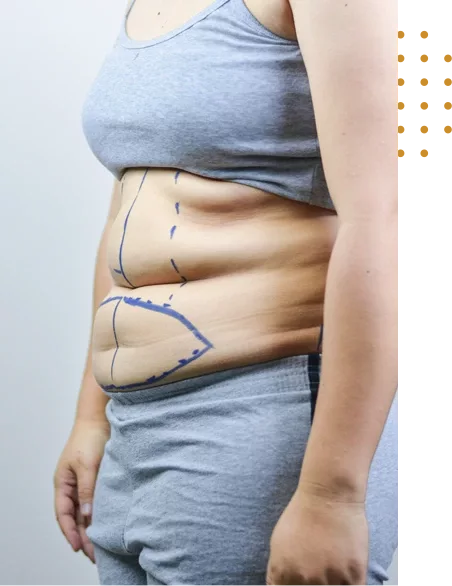
Additional Considerations
-
Support System: A stable environment and strong support network can greatly influence success post-surgery.
-
Motivation Beyond Aesthetics: While improved appearance is a welcome benefit, ideal candidates are motivated primarily by health and mobility improvements, not just cosmetic outcomes.
How Gastric Bypass Works: A Medically Detailed Surgical Overview
Gastric bypass is one of the most effective tools for long-term weight loss, and it's classified as a combined restrictive and malabsorptive procedure. This dual mechanism means it helps by both limiting food intake and reducing calorie absorption.
Step-by-Step Surgical Process
The surgery is most often performed laparoscopically, using small incisions, a camera (laparoscope), and specialized instruments. Here's a detailed look at the process:
-
General Anesthesia
The procedure begins with general anesthesia, rendering the patient unconscious and pain-free. An anesthesiologist continuously monitors vital signs throughout. -
Creation of the Stomach Pouch
The surgeon divides the stomach into two sections using surgical staples. The upper portion, which becomes the new stomach pouch, holds about 15 to 30 ml (1–2 tablespoons) of food. This severely restricts food intake. -
Roux-en-Y Intestinal Bypass
The small intestine is divided approximately 45 cm (18 inches) below the lower stomach. The distal section is connected to the small stomach pouch, allowing ingested food to bypass most of the stomach and the first segment of the small intestine (duodenum). This part is critical in reducing calorie and nutrient absorption. -
Reattachment of Intestinal Sections
The bypassed section of intestine is then reattached further down, creating the characteristic “Y” shape. This allows digestive enzymes to meet food lower in the intestine, supporting partial nutrient absorption. -
Closure and Postoperative Monitoring
After ensuring there are no leaks or obstructions, the incisions are closed. Patients are moved to a recovery room and monitored for 24 to 48 hours.
Procedure Time and Hospital Stay
-
Duration: 2 to 4 hours depending on anatomy and surgical complexity
-
Hospital stay: Usually 2 to 3 days
-
Return to light activity: Within 1–2 weeks
-
Return to work: 3–4 weeks, depending on occupation and recovery speed
Types of Gastric Bypass Procedures: Choosing the Right Approach
While Roux-en-Y gastric bypass is the gold standard worldwide, variations have emerged to suit different anatomical and medical needs.
1. Roux-en-Y Gastric Bypass (RYGB)
-
Most widely performed method globally
-
Involves two surgical connections (anastomoses)
-
Excellent outcomes for both weight loss and remission of type 2 diabetes
-
Best suited for patients with severe GERD or insulin resistance
2. Mini Gastric Bypass (One Anastomosis Gastric Bypass - OAGB)
-
Simplified version with only one surgical connection
-
Slightly shorter surgical time
-
May have a higher risk of bile reflux, making it less ideal for those with acid reflux disease
-
Often preferred for super-obese patients (BMI >50) due to simplicity and effectiveness
3. Loop Gastric Bypass
-
Rarely performed, but still an option in specialized cases
-
Involves connecting the intestine in a single loop to the new pouch
-
Fewer rerouting steps, but may increase risks of malabsorption or reflux
Which One is Right for You?
The choice of procedure depends on:
-
Your medical history
-
Pre-existing conditions (GERD, diabetes)
-
BMI and body fat distribution
-
Personal preferences and risk tolerance
Your bariatric surgeon will guide this decision during your pre-operative consultations, often using endoscopic imaging and metabolic testing to determine the best fit.
Recovery After Gastric Bypass: What to Expect
Recovery from gastric bypass is not just about healing from surgery—it’s the start of a lifelong health transformation. Patients are closely monitored during their initial post-op period and supported with a step-by-step recovery plan.
Immediate Post-Operative Phase (Week 1)
-
Hospital stay: 2–3 days under professional care
-
Hydration is critical—patients begin with sips of water and electrolyte solutions
-
Walking is encouraged within 24 hours to prevent blood clots and aid digestion
-
Pain management is provided through IV or oral medications
Short-Term Recovery (Weeks 2–4)
-
Begin liquid and pureed diets, followed by soft foods
-
Stitches or surgical glue dissolve or are removed within 7–10 days
-
Gradual return to light activities and short walks
-
Close medical follow-up to detect early complications
Long-Term Recovery (1–6 months)
-
Diet evolution: From soft to solid foods under dietitian supervision
-
Lifelong vitamin supplementation to prevent deficiencies in:
-
Vitamin B12
-
Iron
-
Calcium
-
Vitamin D
-
-
Monthly weight and nutritional assessments
-
Psychological support or group therapy (optional but highly beneficial)
Full Recovery and Results (6–12 months+)
-
Most patients reach peak weight loss within 12 to 18 months
-
Energy levels improve significantly after 3–4 months
-
Long-term follow-up includes:
-
Blood tests every 6–12 months
-
Nutritional counseling
-
Regular consultations with the surgical team
-
Scarring, Longevity of Results & Maintenance
Scarring
Gastric bypass is typically performed laparoscopically, resulting in minimal scarring. Small incisions (0.5–1.5 cm) are made in the abdomen, and they usually fade within a few months.
Long-Term Results
Patients can expect to lose up to 60–80% of excess body weight within 12–18 months post-surgery. The results are long-lasting, provided patients commit to lifestyle changes, including:
-
Regular physical activity
-
Healthy eating habits
-
Periodic medical follow-ups
Associated and Complementary Procedures
Gastric bypass can be combined with or followed by:
-
Gallbladder removal, if gallstones are present or likely to form.
-
Hernia repair, especially hiatal or abdominal hernias.
-
Body contouring surgeries, such as tummy tuck or arm lift, to address excess skin after massive weight loss.
Risks and Complications
Though considered safe, gastric bypass has potential risks:
-
Infection or bleeding
-
Dumping syndrome (rapid gastric emptying)
-
Nutritional deficiencies
-
Ulcers or hernias
-
Bowel obstruction
Choosing a skilled bariatric surgeon and adhering to post-op care guidelines significantly reduces these risks.
Cost of Gastric Bypass in Dubai: What You Should Know
The average cost of gastric bypass in Dubai ranges between AED 35,000 to AED 65,000 (USD $9,500 to $17,500), depending on:
-
Hospital or clinic reputation
-
Surgeon’s experience
-
Type of procedure
-
Pre- and post-op care packages
These prices are often not covered by insurance, especially if the surgery is considered elective or cosmetic. Even when covered, patients may face long approval processes or partial reimbursements.
Why Many UAE Patients Look Abroad for Gastric Bypass
Due to the exorbitant costs of gastric bypass in Dubai and other UAE cities, many residents now choose international destinations that offer the same—if not better—levels of safety, expertise, and success rates at half the price.
Best Countries for Affordable, High-Quality Gastric Bypass
1. Turkey
-
World-class bariatric surgeons
-
JCI-accredited hospitals
-
Packages starting from $3,500
2. Tunisia
-
Highly trained surgeons with EU standards
-
Cost-effective full-board packages
-
Seamless French/English-speaking support staff
3. Egypt
-
Affordable clinics with reputable surgeons
-
Rich medical tradition and cultural familiarity
4. Bulgaria
-
EU-regulated facilities
-
Lower cost of living = lower surgery fees
5. Miami (USA)
-
Ideal for American patients who seek privacy and excellence
-
Surgeons experienced with high BMI and complex cases
Medespoir International: The Smarter Alternative to Gastric Bypass in Dubai
If you’re considering gastric bypass in Dubai but are worried about the cost or lack of insurance coverage, Medespoir International offers a trusted, affordable solution.
We are a globally recognized medical tourism agency, helping thousands of patients access:
-
Certified bariatric surgeons
-
All-inclusive packages (surgery, hotel stay, transfers, aftercare)
-
Transparent pricing without hidden fees
-
Accredited clinics and hospitals in top destinations like Tunisia, Turkey, Egypt, Bulgaria, and Miami
Whether you're from Dubai, Abu Dhabi, Sharjah, or beyond, we simplify your medical journey from A to Z.
Ready to Take the Next Step?
Avoid the high costs of gastric bypass in Dubai and achieve your weight-loss goals safely, affordably, and confidently with Medespoir International.